Review: Checkered Mama Design, Retro Mom PNG for Embroidery
As a designer who spends most of my day staring at stitch maps and digitizing files, I approach new assets with a healthy dose of skepticism. We see thousands of "retro" designs flood the market every month, but very few hold up when you actually put them under the needle. Today, I am taking a close look at the Checkered Mama Design, Retro Mom PNG. While the product listing categorizes this under Crafts and Graphics, primarily targeting Cricut users for vinyl and sublimation, my job is to determine if this visual asset can successfully cross over into the world of machine embroidery design work.
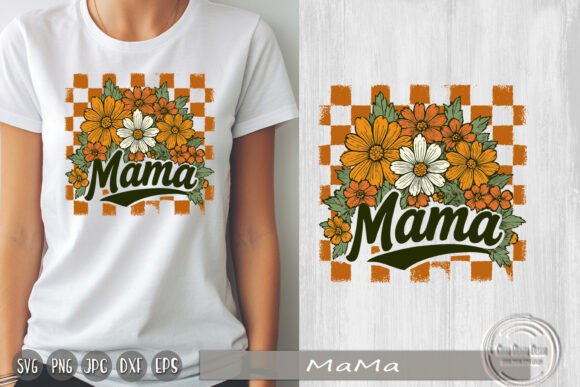
The first impression of this design is undeniably strong. The checkerboard motif paired with the retro typography creates an immediate sense of nostalgia and warmth. It feels like something you would see on a vintage 70s diner menu or a classic race car decal. For an embroidery project, this kind of bold, high-contrast geometry is usually a win. The shapes are distinct, and the layout suggests a balanced composition that would sit beautifully on a chest pocket or the center of a tote bag. However, because this is sold as a digital embroidery file source (often requiring conversion or careful handling if used as a print-and-cut hybrid), we need to talk about how these graphics translate to thread.
Real-World Application: The Boutique Tote Bag Test
To give this a fair evaluation, I imagined a specific real-life scenario that many of us face: a rush order for a local boutique needing custom merchandise for a Mother's Day pop-up shop. The client wanted something trendy but timeless for their canvas tote bag design lineup. The Checkered Mama Design, Retro Mom PNG immediately came to mind as a candidate.
If I were to digitize this graphic or use a pre-converted version for a canvas tote, the checkerboard pattern offers a fantastic opportunity to play with thread colors. You could stick to a classic black-and-white scheme for a sharp, modern look, or swap in pastels for a softer, baby-friendly vibe. The bold lines of the checkers would likely require a solid fill stitch to ensure coverage on the textured canvas. In a real stitching situation, the retro font needs careful attention. If the letters are too thin, they might get lost or break during washing. Assuming the digitizer has added enough underlay and adjusted the stitch density, this design could become a standout handmade product that customers gravitate toward instantly.
The visual personality of this design screams "giftability." It is the kind of image that makes a plain sweatshirt feel like a curated piece of custom apparel. For an Etsy seller or small shop owner, this type of imagery builds brand consistency. It tells the customer that you understand current trends without trying too hard. When a buyer sees this on a shelf or in an online printable mockup, they immediately recognize the quality and effort involved in creating a unique finished product.
Technical Considerations for Stitching
Here is where we need to be realistic. Since this asset originates in the realm of Graphics and is often used for vinyl, using it for embroidery requires some technical foresight. If you are purchasing this to convert into an embroidery file yourself, or if you are using a version already digitized for thread, you must consider the fabric texture.
The checkerboard pattern involves a lot of stops and starts if not handled correctly. On stretchy fabrics like a jersey knit sweatshirt embroidery project, dense blocks of stitching can cause puckering. This is where your choice of stabilizer becomes critical. I would strongly recommend using a cut-away stabilizer for this design rather than tear-away, especially if the final item is meant to be washed frequently. The structural integrity of those checkered squares depends on the fabric holding steady beneath the thread.
Furthermore, pay close attention to the corners. In a checkerboard design, you have numerous internal and external corners. If the stitch density is too high in these areas, the thread can build up and create a bulky, uneven surface. Conversely, if the density is too low, the fabric might show through, ruining the crisp retro aesthetic. A good rule of thumb is to test the design on scrap fabric first. Run a sample on the exact material you plan to sell—whether it is a thick towel, a delicate baby onesie, or a structured cap.
Navigating Small Hoops and Detailed Areas
One potential challenge with the Checkered Mama Design, Retro Mom PNG is scaling. Retro designs often rely on specific proportions to maintain their charm. If you try to shrink this down to fit a small hoop size for a baby hat or a pocket logo, you risk losing the definition of the checkers. Tiny squares can turn into muddy blobs of thread if the machine cannot execute such fine details.
For baby embroidery projects, softness is key. A large, dense fill stitch might be too scratchy for sensitive skin. In this case, you might consider adapting the design into an applique design. By cutting the checkerboard pattern from fabric and stitching it down with a satin or running stitch border, you reduce the thread bulk while keeping the vibrant color blocking intact. This technique also adds a lovely tactile dimension that elevates the perceived value of the item.
Curved surfaces present another hurdle. If you are planning to put this on a baseball cap, the flat geometry of the checkers might distort over the curve of the front panel. You may need to adjust the pull compensation in your digitizing software to ensure the squares remain square once stitched. Always inspect small details before committing to a production run. What looks perfect on the screen in a design assets library might behave differently under the tension of the machine.
Commercial Viability and Brand Trust
For those running a craft business, the choice of design directly impacts customer trust. Using a well-executed, trendy design like this shows that you are attentive to market shifts. However, professionalism lies in the execution. A sloppy stitch-out of a great design damages your reputation faster than a simple design stitched perfectly.
Before listing this as a small shop product or including it in your commercial embroidery portfolio, verify the licensing terms. Just because a file is available for download does not automatically grant unlimited commercial rights, especially when crossing mediums from digital graphics to physical goods. Ensure you have the clearance to sell finished items featuring this motif. Additionally, check if the file format provided suits your workflow. If it is strictly a PNG intended for printing, you will need to invest time in proper digitizing to create a viable embroidery project.
Visual appeal is only half the battle; durability is the other. Customers expect their personalized gifts to last. Test your stitch-out in black and white mockups to check contrast, then wash the sample multiple times. Does the thread fray? Do the checkers distort? These are the questions that separate hobbyists from professional apparel decorators.
In conclusion, the Checkered Mama Design, Retro Mom PNG holds significant potential for creative entrepreneurs willing to put in the technical legwork. It bridges the gap between nostalgic graphics and tangible, stitched art. Whether you are making holiday gifts, wedding favors, or stocking your boutique, this design offers a versatile foundation. Just remember to respect the limitations of the medium. Choose your fabrics wisely, stabilize aggressively, and never skip the test run. With the right approach, this retro gem can become a bestseller in your catalog of handmade treasures.