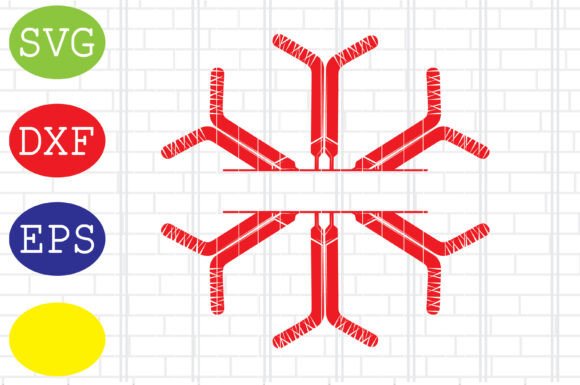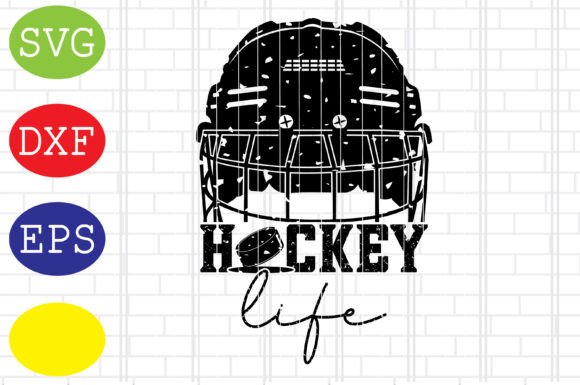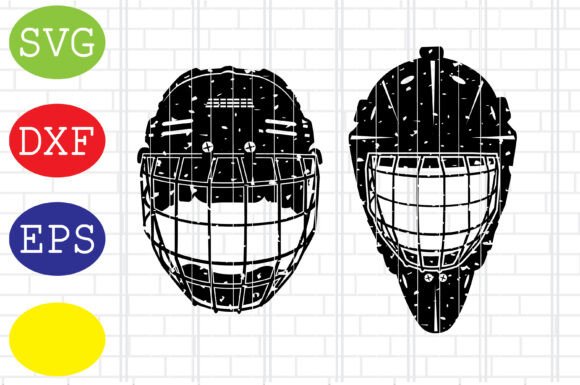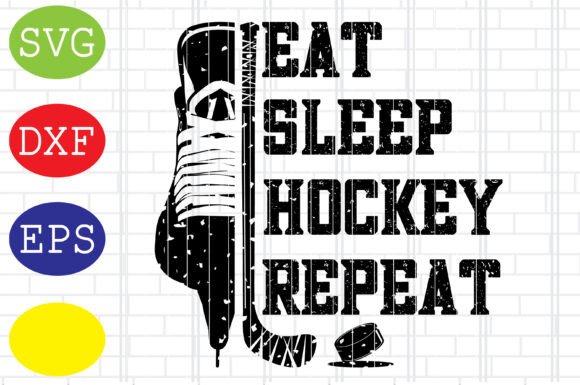
Split Hockey Helmet and Ice Skate SVG Review
As a designer who spends more time staring at stitch maps than actual games, I approach sports-themed graphics with a critical eye. Too often, digital files look crisp on a screen but turn into a tangled mess of thread breaks and puckering once they hit the hoop. When I first pulled up the Split Hockey Helmet and Ice Skate Svg, my immediate reaction was one of cautious optimism. The concept is solid—combining two iconic symbols of winter sports into a single composition—but the devil is always in the details when you are moving from a vector line to a physical stitch.
This isn't just a review of a pretty picture; it is an evaluation of how this file performs as a machine embroidery design for real-world applications. Whether you are an Etsy seller looking to expand your winter collection or a hobbyist making gifts for the local pee-wee team, understanding the practical limitations and strengths of this graphic is essential before you commit your expensive thread and fabric.
First Impressions: Visual Balance and Theme
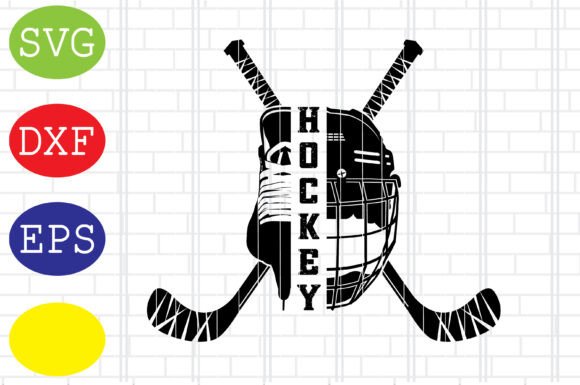
The layout of the Split Hockey Helmet and Ice Skate Svg offers a dynamic sense of motion. Unlike static logos that can feel stiff, this design captures the energy of the rink. The split composition suggests duality—offense and defense, speed and protection—which gives it a strong narrative quality. For a handmade product, this kind of visual storytelling adds value. It doesn't just say "hockey"; it says "the game."
From a Crafts and Graphics perspective, the lines appear clean in the preview. However, as an embroiderer, I immediately started mentally converting those vector paths into stitch types. The helmet portion likely requires a dense fill stitch to convey solidity and protection, while the skate blade demands a sharp satin stitch or a tight running stitch to maintain its sleek profile. The mood is energetic and competitive, making it a natural fit for custom apparel aimed at athletes, coaches, and passionate fans.
Real-World Application: The Custom Tote Scenario
To truly test the viability of this design, I imagined a specific project: a custom tote bag design for a hockey mom's tournament weekend. The goal was to create something durable enough to carry gear but stylish enough to wear around the arena. Using the Split Hockey Helmet and Ice Skate Svg on a heavy canvas tote presents an interesting challenge.
Canvas has a distinct fabric texture that can swallow fine details. If the design relies too heavily on tiny elements, they might get lost in the weave. In this scenario, the bold shapes of the helmet and skate work in our favor. They provide enough surface area for substantial stitching without requiring microscopic precision. For a small shop product like this, the design holds up well because it reads clearly from a distance. A customer walking past a craft fair booth would instantly recognize the theme, which is crucial for impulse buys.
Furthermore, this graphic translates beautifully to sweatshirt embroidery. The cozy, textured nature of fleece or cotton blends pairs well with the sporty vibe. Imagine this stitched in navy and white on a heather grey hoodie; the contrast would pop, creating a high-quality finished product that feels professional rather than homemade. The versatility here is a major selling point for creative entrepreneurs who need assets that work across different garment types.
Navigating Fabric Challenges and Hoop Constraints
While the design shows promise, there are areas where caution is necessary. Not every fabric is created equal, and the Split Hockey Helmet and Ice Skate Svg has specific requirements to look its best.
- Stretchy Fabrics: If you plan to use this on a performance jersey or a thin t-shirt, stabilization is non-negotiable. The density required for the helmet could cause puckering if the fabric shifts. A cut-away stabilizer is highly recommended over tear-away for these materials to ensure the design remains flat after washing.
- Dark Fabrics: When stitching on black or navy backgrounds, you must consider underlay stitches. Without proper planning, the base fabric might peek through the lighter thread colors, ruining the crispness of the skate blade. Always run a test on scrap fabric of the same color and weight before starting the final item.
- Small Hoop Sizes: Depending on the specific dimensions of the file you download, fitting this entire composition into a 4x4 hoop might be tight. If the design includes intricate corners or small connecting lines between the split elements, cramming it into a small space could compromise the stitch density and clarity. Check the file dimensions against your machine's capabilities.
- Curved Surfaces: Applying this to a cap is possible but tricky. The curvature of the front panel can distort the perception of the split design. It is best suited for flat surfaces like pillow covers, aprons, or the back of a jacket where the fabric lies completely flat during stitching.
Commercial Viability and Brand Consistency
For commercial embroidery projects, consistency is key. If you are selling these as design assets or finished goods, your customers expect a certain level of polish. The Split Hockey Helmet and Ice Skate Svg has the potential to elevate brand perception if executed correctly. A clean, well-digitized version of this graphic signals professionalism. It tells the buyer that you care about the details, which builds trust and encourages repeat business.
However, you must verify the licensing terms included in the zip file. The product description mentions SVG, DXF, JPG, and EPS formats, which are standard for digital embroidery file packages, but it does not explicitly state whether the license covers unlimited commercial sales or if there are restrictions on the number of physical items you can produce. Never assume; always read the fine print to avoid legal issues down the road. If you are an Etsy seller, having clear documentation on your usage rights protects your shop.
Practical Designer Notes for Success
Before you load this design into your machine, take a moment to run through this checklist. These steps separate amateur results from boutique-quality work:
- Test on Scraps: Always stitch a sample on the exact fabric you intend to use. This reveals how the applique design elements (if any) or fill areas interact with the material.
- Check Contrast: View the design in black and white mockups. If the helmet and skate blend together without color, the design lacks definition. Ensure your thread colors provide enough separation between the two main elements.
- Inspect Details: Zoom in on the digital file. Are there any stray nodes or overlapping paths that could cause the needle to jump? Clean up the vector before digitizing or importing.
- Consider the End User: Will this item be washed frequently? If it's a baby embroidery project or a gym towel, the stitching needs to be durable. Dense fills hold up better than long running stitches in high-friction areas.
- Verify Formats: Ensure the downloaded zip file contains the specific machine format you need (like PES, DST, or XXX) if you are going straight to embroidery, or use the SVG/EPS to digitize it yourself for full control over stitch types.
In conclusion, the Split Hockey Helmet and Ice Skate Svg is a versatile asset with strong potential for holiday embroidery, team merchandise, and personalized gifts. Its strength lies in its recognizable symbolism and balanced composition. However, its success depends entirely on the executor's attention to fabric choice, stabilization, and stitch planning. By treating this graphic not just as an image but as a blueprint for thread, you can transform a simple download into a standout piece of wearable art.